
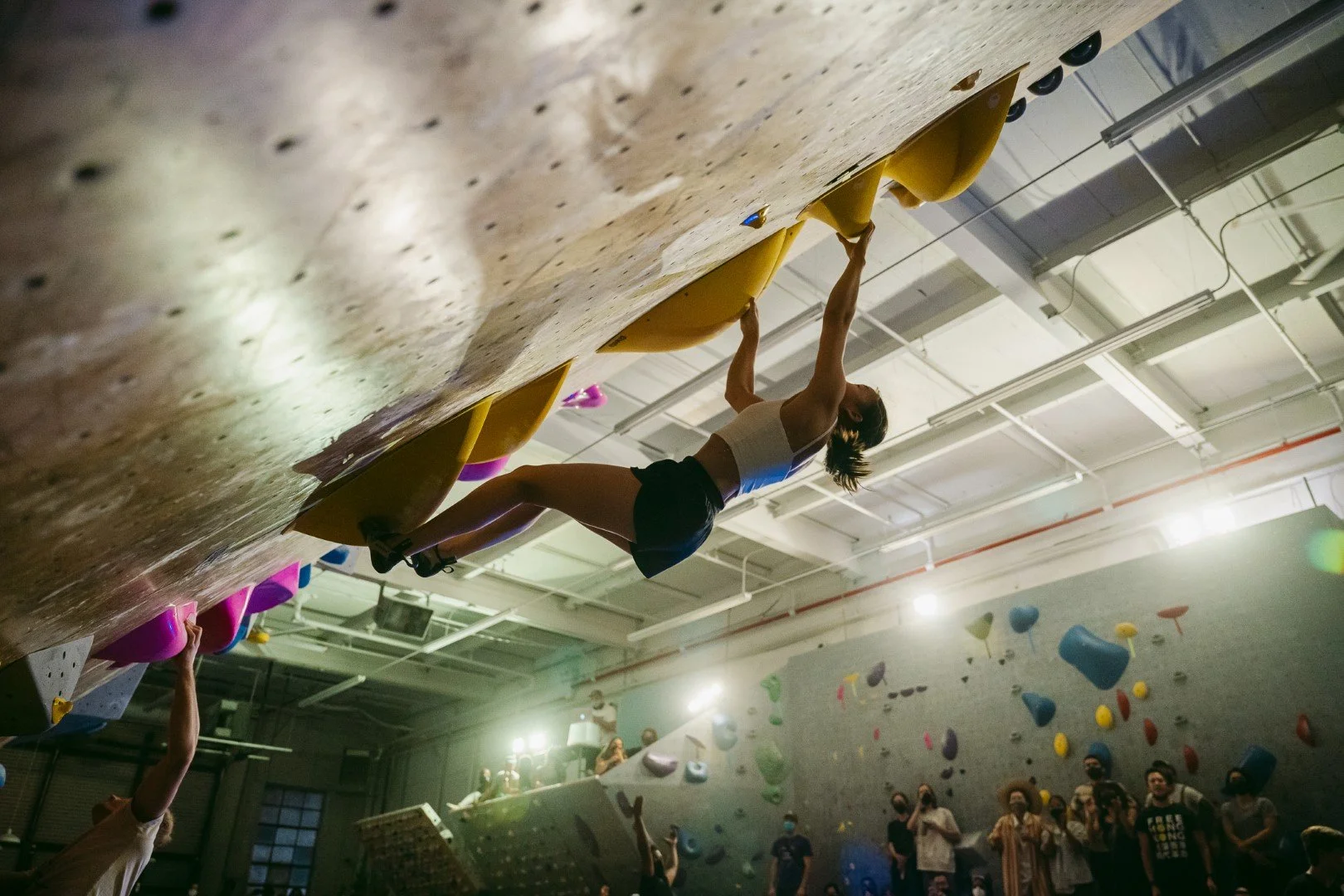
Prepare with intention.
Compete with clarity.
Pre-Championship Skill Building & Competition Education Camp
February 28 – March 1
GP81 Youth Training Center
A two-day, coach-led camp that teaches athletes the skills and decision-making behind modern competition climbing — then builds directly on that foundation with a structured competition round designed to show how those skills transfer when it matters.
Day 1 focuses on skill development and understanding.
Day 2 builds directly on those skills and shows athletes how to apply them in a structured competition round.
This structure allows for continuity and progression without overloading athletes.
Our goal isn’t to recreate competition.
It is to help athletes feel ready for it.
How the Camp Works
Each athlete attends two sessions total:
Morning track (U11, M/F13, M/F15):
Saturday 9AM–2PM and Sunday 9AM–2PMAfternoon track (M/F17, M/F19/20):
Saturday 3PM–8PM and Sunday 3PM–8PM
Pricing per participant
Members: $425
Non-members: $500
Parent Education Add-On:
Cultivating Confidence in Your Climber
Presented by Zoe Sayetta, MS Sport & Performance Psychology
This 60–75 minute seminar will teach parents:
how confidence develops in youth athletes
the psychology of competition phases
what helps and hurts an athlete pre-comp
how to talk to their kids after events
how to create an emotionally supportive performance home
Sunday March 1st at 1PM
*Held at the YTC mezzanine
REFUND POLICY
Full Refunds are processed if requested more than 7 days prior to the event
50% refunds are processed if requested less than 7 days before the event
No refunds offered within 48 hours before the event
Please reach out to hello@gp-81ytc.com with any refunds requests, questions or concerns.
Frequently Asked Questions
-
This camp is designed for youth athletes entering the Championship phase of the season who want to feel more prepared, confident, and consistent in competition. It is appropriate for a wide range of ages and ability levels because the structure emphasizes coached learning and progression, not a single performance standard.
-
Most mock competitions place athletes into back-to-back pressure environments and hope the experience itself leads to improvement.
This camp works differently. Athletes are taught the skills and decision-making first, then shown how those skills appear in a competitive setting. Competition is used as a teaching framework, not a test.
The focus is on understanding and preparation — not exposure to stress for its own sake.
-
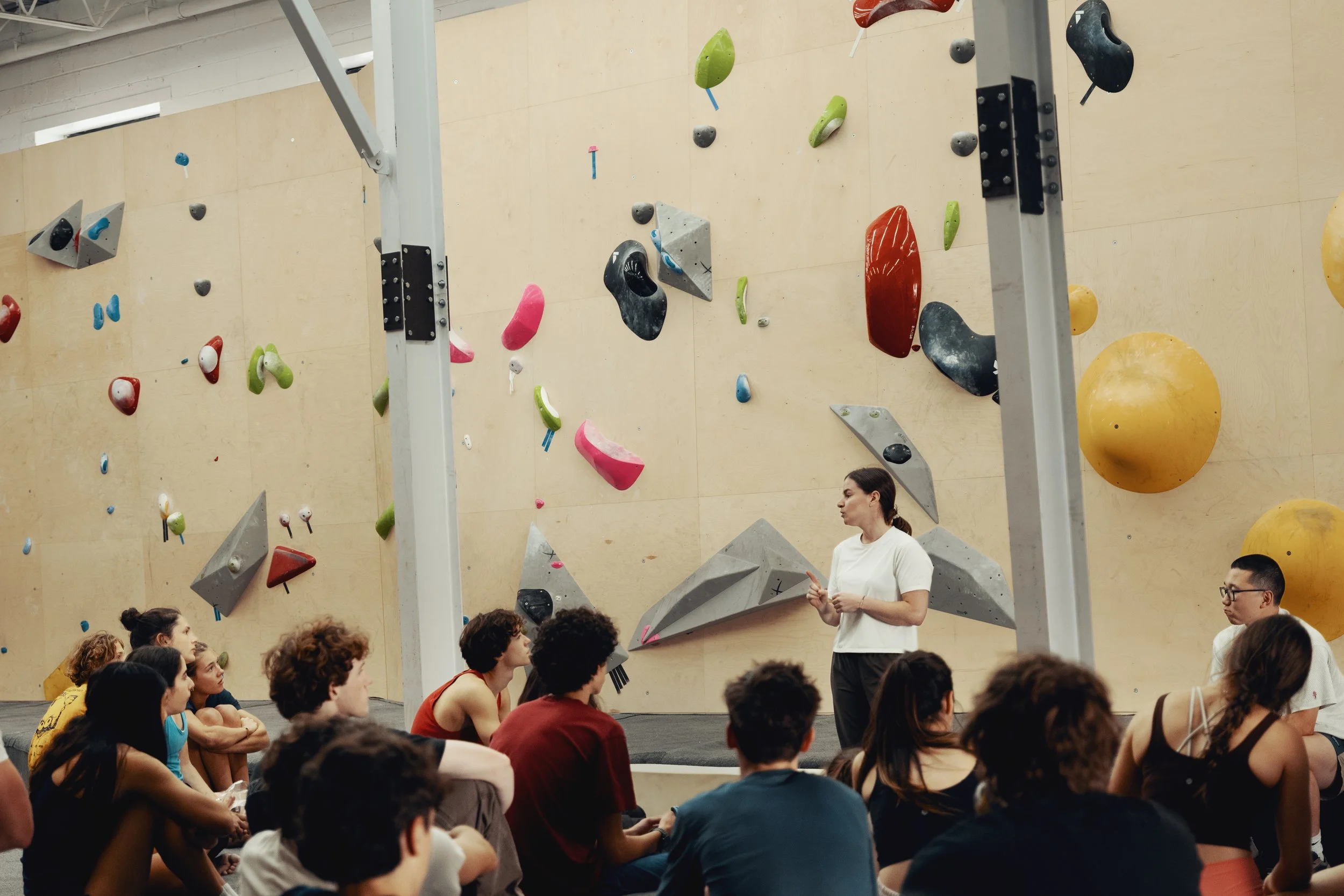
Athletes are coached throughout the camp. Sessions are built around guided instruction, feedback, and context, not free climbing or passive supervision. Coaches are actively involved in helping athletes understand movement, strategy, and performance skills, including why certain choices matter in competition.
-
Each athlete attends two sessions total, following one of two tracks:
Morning track: Saturday 9–2 and Sunday 9–2
Afternoon track: Saturday 3–8 and Sunday 3–8
Day 1 focuses on skill development and understanding.
Day 2 builds directly on those skills and shows athletes how to apply them in a structured competition round.
This structure allows for continuity and progression without overloading athletes.
-
Mock competitions can be useful, but they often introduce pressure before athletes have the tools to manage it.
This camp is intentionally designed to:
reduce overwhelm
build clarity
teach athletes how to think, pace, and adapt in competition
The goal is not to see how athletes perform under stress, but to help them learn how to perform better when stress is present later.
-
Rather than trying to eliminate nerves, this camp helps athletes understand what they can control: preparation, routines, decision-making, and energy management. Confidence tends to improve when athletes know what they’re doing and why they’re doing it.
-
Neither — and that’s intentional. Stations and problems are designed to be scaffolded and adaptable, allowing athletes to engage at an appropriate level while still being challenged. The emphasis is on learning and application, not grading or ranking performance.
-
Athletes learn:
modern competition movement patterns
how skills transfer from practice to competition
how to pace themselves in a round
how to make tactical decisions
how to manage energy and emotions under pressure
The camp is structured around teaching and understanding, not just doing.
-
Each athlete participates in two five-hour sessions for a total of ten hours of coached training and competition education across the weekend.
-
Yes — that timing is intentional. The camp is designed to build clarity and confidence, not fatigue. The workload is productive and developmentally appropriate, with the goal of helping athletes enter Championships feeling prepared rather than overwhelmed.
-
Parents may register for an optional session, “Cultivating Confidence in Your Climber,” led by Zoe Sayetta, MS, Sport & Performance Psychology. This session covers how confidence develops in youth athletes, how parents can best support their climbers during competition season, and how to talk about performance in a way that builds resilience.
-
This camp is priced to reflect the depth of coaching, intentional structure, and educational focus involved. It is not a drop-in clinic or a single mock round. It is a carefully designed learning experience with significant coach involvement throughout.
-
Athletes leave with:
a clearer understanding of competition movement and strategy
tools they can apply immediately in Championships
increased confidence rooted in preparation, not pressure
a better sense of how to approach competition as a challenge rather than a threat